Board papersCharitiesSmall business
Board papers without last-minute panic
By Noah · 28 August 2026
Board paper preparation becomes a last-minute problem when the meeting date is visible but the collection, drafting, review and distribution work is not. “Prepare papers” is a project disguised as one task.
 A calm board papers planning desk with a meeting calendar and organised papers
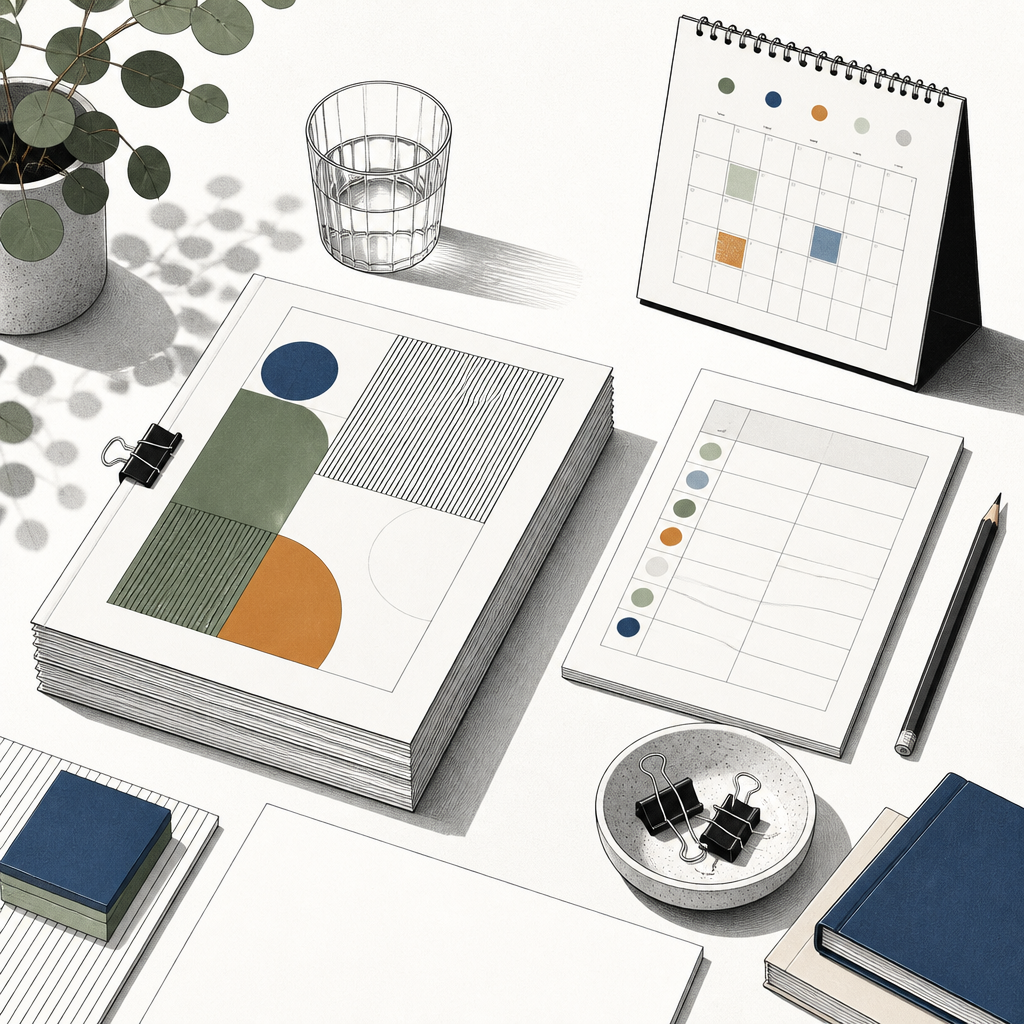
Work backwards from the circulation date, not just the meeting. Give contributors earlier deadlines, keep decisions and missing inputs visible, and leave enough room for somebody to read the pack as a whole.
Treat each board cycle as a project
Create a project for each board meeting or reporting cycle.
Inside it, keep:
- Meeting date.
- Paper deadline.
- Agenda.
- Required reports.
- Owners.
- Review dates.
- Decisions needed.
- Open questions.
- Final submission task.
This gives the work a clear container.
Noetic can hold the tasks, notes and dates together so board preparation does not live across email, calendar and memory.
Work backwards from the meeting
Start with the meeting date, then work backwards:
- Papers sent to board.
- Final internal approval.
- Finance figures ready.
- Draft reports complete.
- Inputs requested.
- Agenda confirmed.
Add dates for each.
The key is to create attention before the final week.
Separate inputs from writing
Board papers often depend on other people.
Create tasks for each input:
- Finance report from treasurer.
- Delivery update from programme lead.
- Risk update from operations.
- Fundraising update from campaign owner.
- Decision paper from CEO or founder.
Give each input an owner and date.
If the input is late, the whole paper may be late. Make that visible early.
Keep a decision list
Board meetings usually require decisions, not just updates.
Create a decision note:
- What decision is needed?
- What are the options?
- What is the recommendation?
- What information supports it?
- What happens after approval?
This helps papers stay focused.
It also makes follow-up easier after the meeting.
Create a version control habit
Version confusion wastes time.
Use clear names:
- Draft 1.
- Internal review.
- Final for board.
- Approved minutes.
In your project note, record where the latest version lives.
If several people edit documents, agree how comments and changes are handled.
This does not need to be complicated. It just needs to be clear.
Add review points
Do not wait until the final deadline to read everything together.
Add review tasks:
- Check all inputs received.
- Review draft for missing decisions.
- Check figures and dates.
- Confirm agenda alignment.
- Final proofread.
Board papers often fail in the joins. Review points catch the joins.
After the meeting, capture actions
The board cycle does not end when the meeting ends.
Capture:
- Decisions made.
- Actions agreed.
- Owners.
- Dates.
- Items for next meeting.
- Follow-up communications.
Turn actions into tasks immediately.
This prevents board decisions from becoming vague memories.
Use a reusable board paper template
After one clean cycle, create a template:
- Meeting details.
- Agenda.
- Inputs required.
- Owner list.
- Draft deadlines.
- Decision log.
- Final checks.
- Post-meeting actions.
Reuse it each time.
The aim is not to make governance heavier. It is to make the repeating work less stressful.
Calm preparation supports better decisions
Board papers exist to help people understand, decide and govern well.
When the preparation is rushed, the thinking suffers.
Treat the board cycle as a project. Make inputs visible. Work backwards. Capture decisions and actions.
It is a simple habit, but it changes the quality of the meeting.
Work backwards from circulation
Set the send date, then add review, drafting and contributor deadlines before it. Record decisions in a meeting action record and surface missing inputs early using the charity project management approach. The board should receive a coherent pack, not evidence of the team’s final 48 hours.
Common questions
How do you prepare board papers without rushing?
Create a board cycle project, work backwards from the meeting date, assign input owners, add review points and capture post-meeting actions.
What should a board paper project include?
Meeting date, paper deadline, agenda, required inputs, owners, review tasks, decisions needed and follow-up actions.
Why do board papers become stressful?
Often because inputs, reviews, decisions and deadlines are not visible early enough.
One workspace for your projects, tasks and notes.
Noetic brings everything into one calm place — web and iOS app included in every plan. No feature gating.